Trump's Explosive Ultimatum
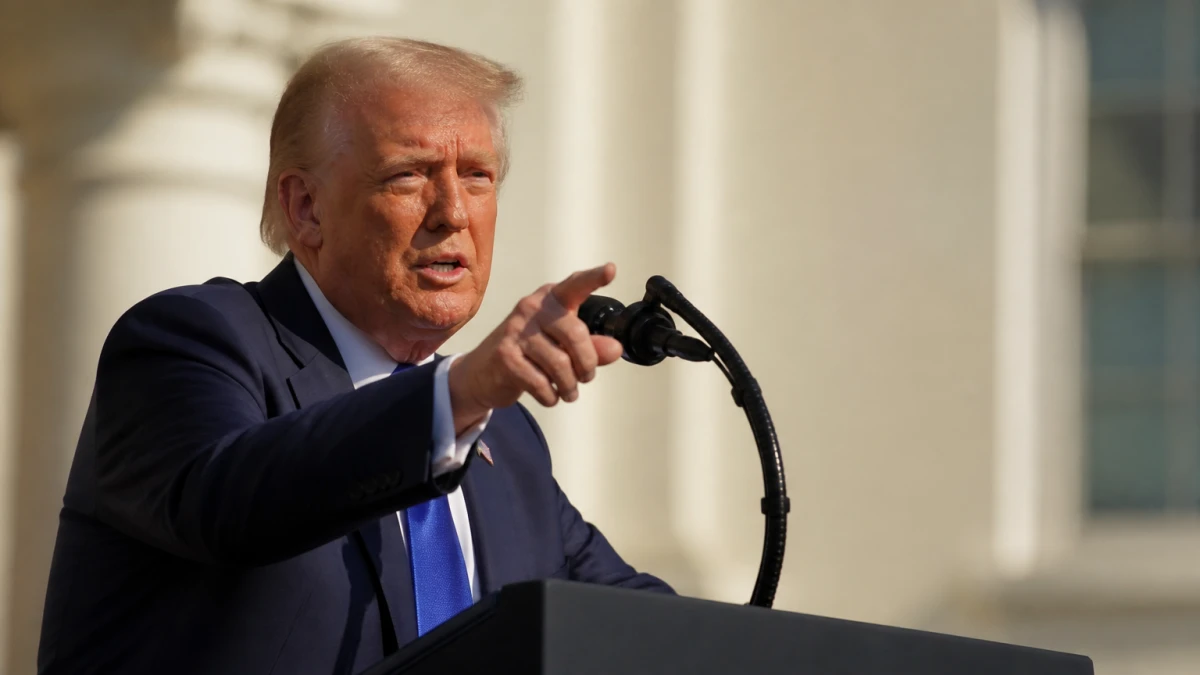
President Donald Trump threatened to obliterate Iran and seize control of the Strait of Hormuz in a profanity-laced interview with Fox News' Trey Yingst on June 21, 2026. His warning came hours after Iran's top military command declared the critical oil transit chokepoint closed, triggering a global scramble to determine who really controls the waterway.
You close it and you won't have a country. You won't even make it back to your f---ing country.Donald Trump, President of the United States
Trump said he had spoken directly to Iranian leaders overnight. He also threatened to "take over the Strait, if we have to" and "collect tolls" should Iran fail to reach a final nuclear deal within 60 days. A proposed 20% "Guardian Angel" tax on oil transiting the strait was floated, though no legislative mechanism or timeline was detailed by the White House.
Conflicting Signals from Tehran
Iran's Khatam al-Anbiya Central Headquarters declared the strait "closed to vessel traffic" on June 20, citing Israeli airstrikes in Lebanon as a breach of the recent U.S.-Iran memorandum. Hours later, Iran's foreign ministry denied any shutdown, saying shipping was "operating normally." The contradictory statements exposed a deep internal rift between the hardline military, particularly the IRGC, and the civilian diplomatic apparatus.
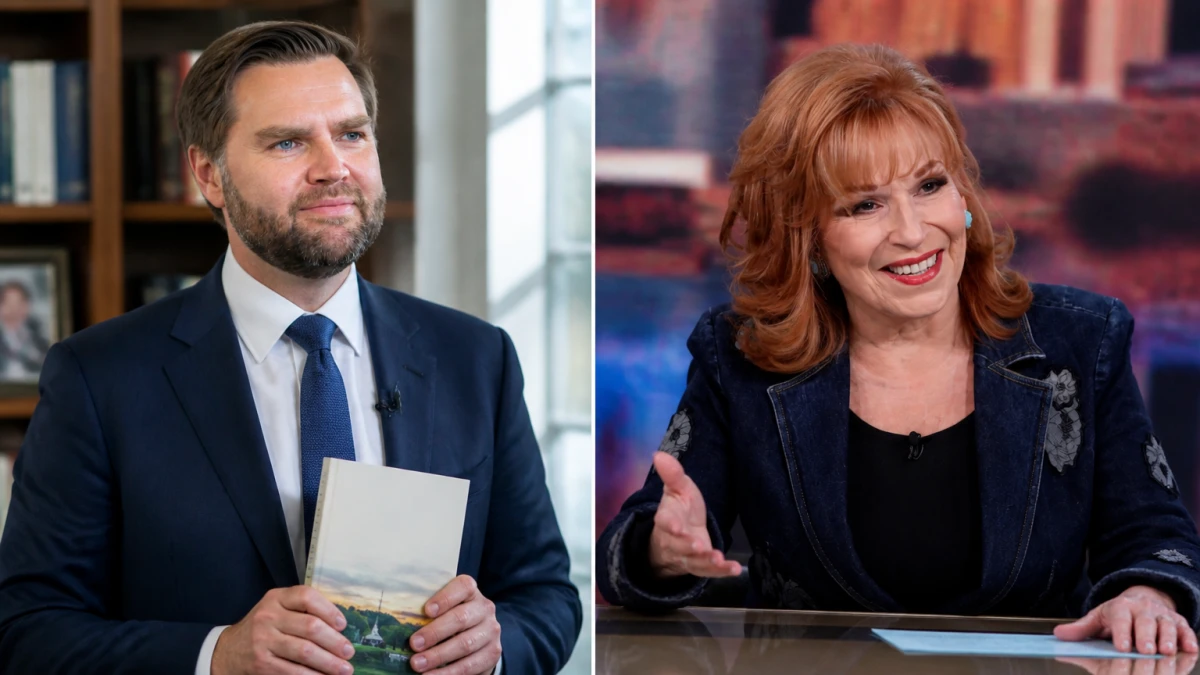
U.S. officials immediately disputed the closure. Vice President JD Vance told Fox News, "We are not seeing any evidence that the Iranians are still closing down the Strait of Hormuz." U.S. Central Command reported that 55 merchant ships carrying 17 million barrels of oil transited the strait on Saturday, insisting a southern corridor remained safe. Yet one shipping executive told the New York Times conditions were too uncertain to leave port, and German carrier Hapag-Lloyd said its vessels were waiting with "no indication right now when we would move."
It's not Iran or the US who decide that the strait is open — it's shipping and insurance companies.Gregory Brew, Eurasia Group Senior Analyst
Switzerland Talks Overshadowed by Lebanon Fighting
Vance arrived at the Bürgenstock resort in Switzerland on June 21 for high-stakes negotiations with Iranian representatives. An emergency session on the Israel-Hezbollah conflict was added to the first day's agenda, underscoring how the Lebanon crisis is directly shaping the diplomatic push. Iranian Foreign Minister Abbas Araqchi has made a ceasefire in Lebanon a precondition for meaningful progress toward a final peace deal.
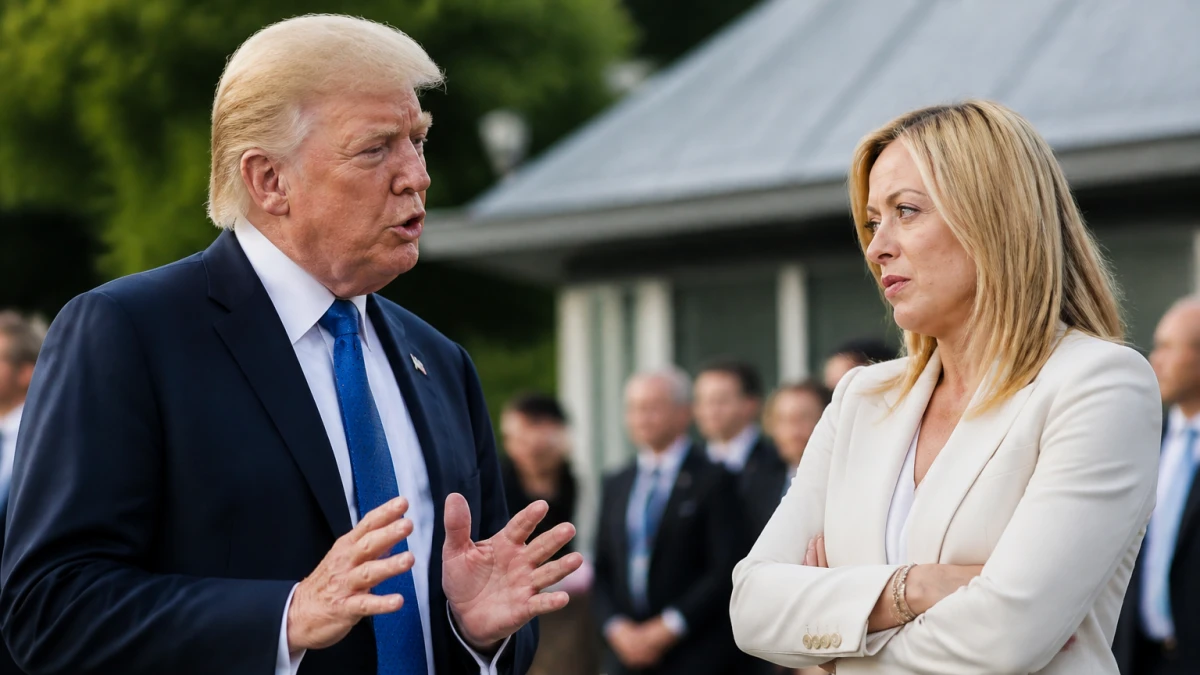
Trump, meanwhile, publicly criticized Israeli Prime Minister Benjamin Netanyahu's military campaign. At the G7 summit the previous week, Trump said he told Netanyahu: "You can do a little softer touch, Bibi. You don't have to knock down a building every time somebody walks into it that's from Hezbollah." Vance, asked Sunday if he had a message for the Israeli leader, said: "I actually feel great about where we are in Lebanon. There's still some additional wood to chop."
Oil Markets and the 60-Day Clock
The U.S.-Iran Memorandum of Understanding signed in mid-June set a 60-day clock for final negotiations, during which Iran pledged to keep the strait open. But the deal excludes Israel and Hezbollah, and fighting in southern Lebanon persists. On Saturday, Israeli strikes killed at least seven people, including two children, while Hezbollah launched over 50 projectiles at Israeli forces. With shipping companies and insurers still cautious, the fate of the strait — and the broader peace process — hangs on decisions made not just in Switzerland, but in Beirut, Jerusalem, and boardrooms around the world.