US Launches Strikes on Iran After Helicopter Downing
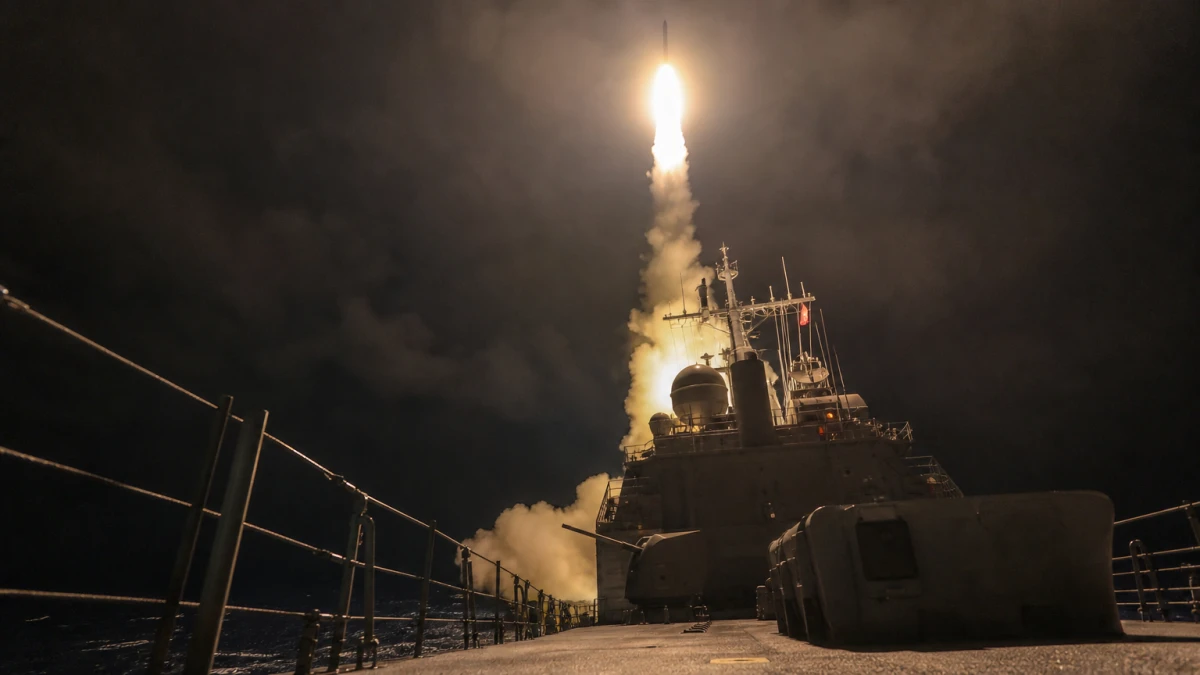
The United States launched airstrikes against Iranian air defense systems, radar installations, and ground control stations on Tuesday evening, hours after President Donald Trump publicly accused Tehran of shooting down a U.S. Army Apache helicopter. U.S. Central Command described the strikes as a proportional response to unjustified Iranian aggression and said the operation was completed by 9 p.m. Eastern Daylight Time.
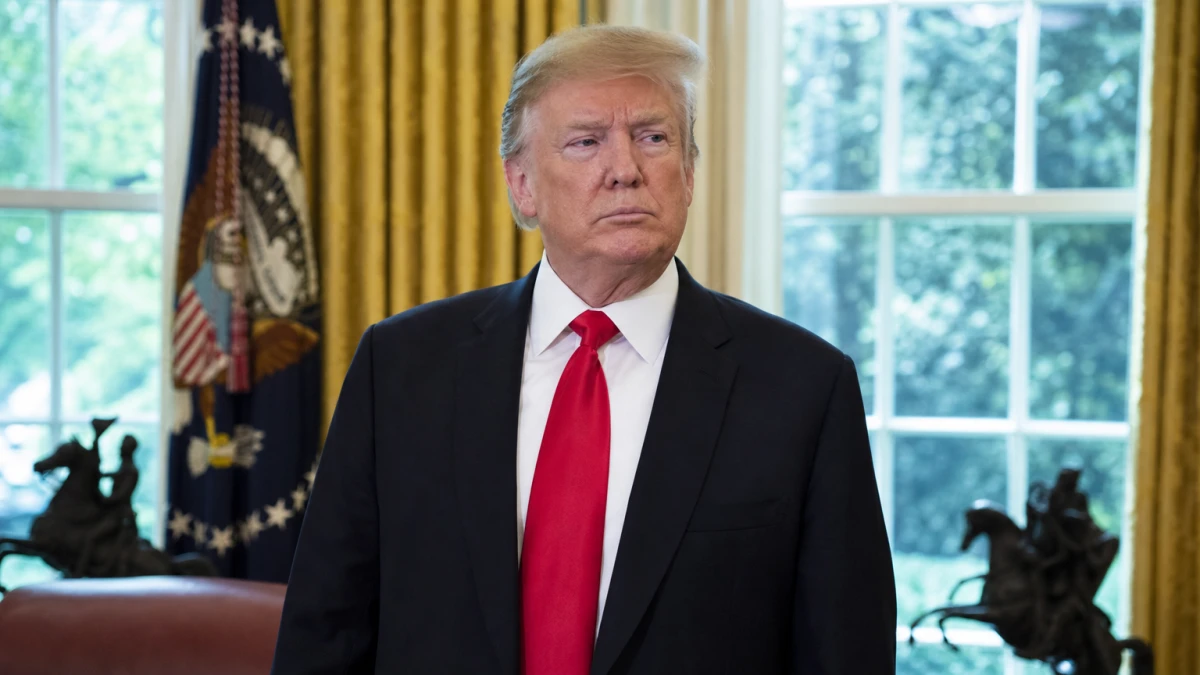
The AH-64 Apache went down off the coast of Oman on Monday while patrolling the strategic Strait of Hormuz, the narrow waterway through which a fifth of the world's oil passes. Both crew members were rescued by an unmanned U.S. sea drone and are 'safe and injured,' Trump wrote on Truth Social. He later told ABC News Chief Washington Correspondent Jonathan Karl that the U.S. 'must, of necessity, respond to this attack.'
Iran Strikes Back Across the Gulf
Iran retaliated in the early hours of Wednesday, launching aerial attacks on targets in Bahrain, Kuwait, and Jordan, Iranian state media reported. The strikes demonstrated Tehran's ability to hit U.S.-aligned nations across the region, widening a conflict that had already drawn in Israel and Hezbollah.
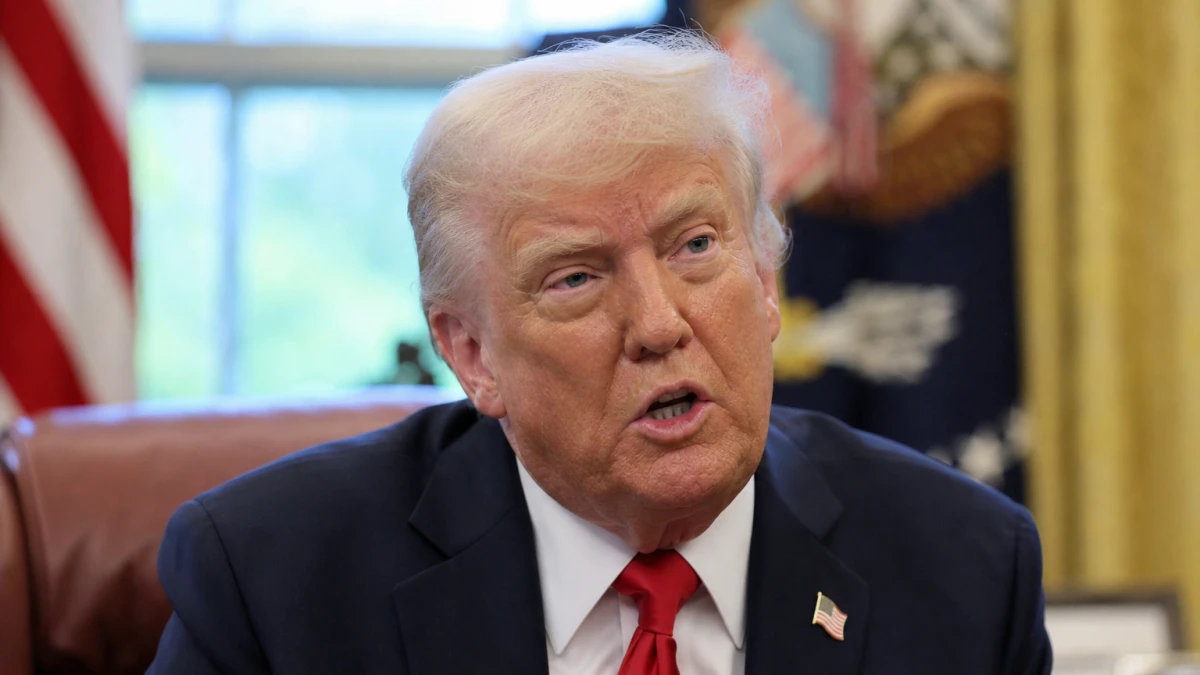
The exchange shattered a fragile ceasefire that had been in place for weeks. Trump, in a phone call just before the U.S. strikes, insisted he still expected a diplomatic breakthrough. 'I believe we're going to make a very good deal,' he said. But he also expressed frustration: 'We were really close to a deal, but they keep tapping us along, they keep playing us for suckers.'
Diplomatic Threats Before the Bombs Fell
Minutes before Trump went public with the helicopter accusation, Iran's top peace negotiator Mohammad Baqer Qalibaf posted a thinly veiled threat on social media. The timing suggested Tehran saw the U.S. claim as a pretext for military action.
We prefer the language of diplomacy, but we speak other languages far more fluently.Mohammad Baqer Qalibaf, Iranian negotiator
The Pentagon insisted the strikes were 'self-defense' and necessary to deter further Iranian attacks. But the immediate Iranian retaliation on three different countries suggests that deterrence failed, at least in the short term. Analysts warn that the cycle of strike and counterstrike could spiral out of control quickly.
What Comes Next
The U.S. strikes reportedly targeted radar and ground control stations rather than nuclear or leadership sites, a sign the administration sought to calibrate its response. But with Iranian missiles now landing in Gulf capitals, the risk of miscalculation is high. The Strait of Hormuz, already a flashpoint, could become the center of a much wider war.