Trump Announces a 'Secret Mission' in the Oval Office
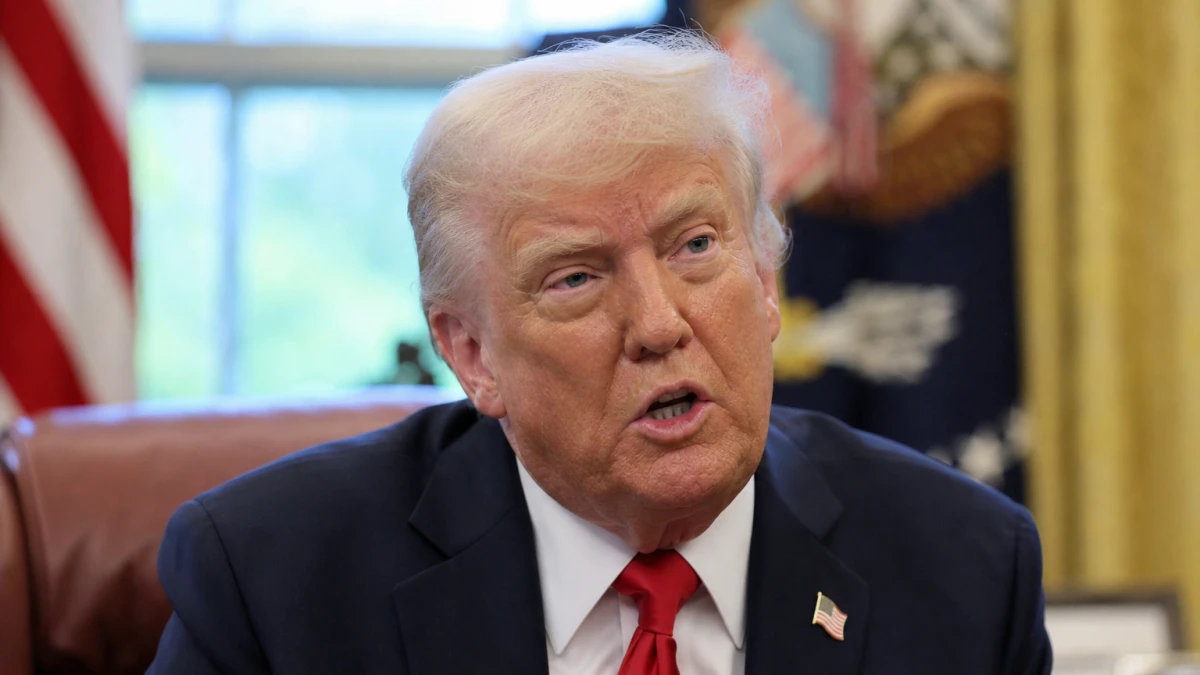
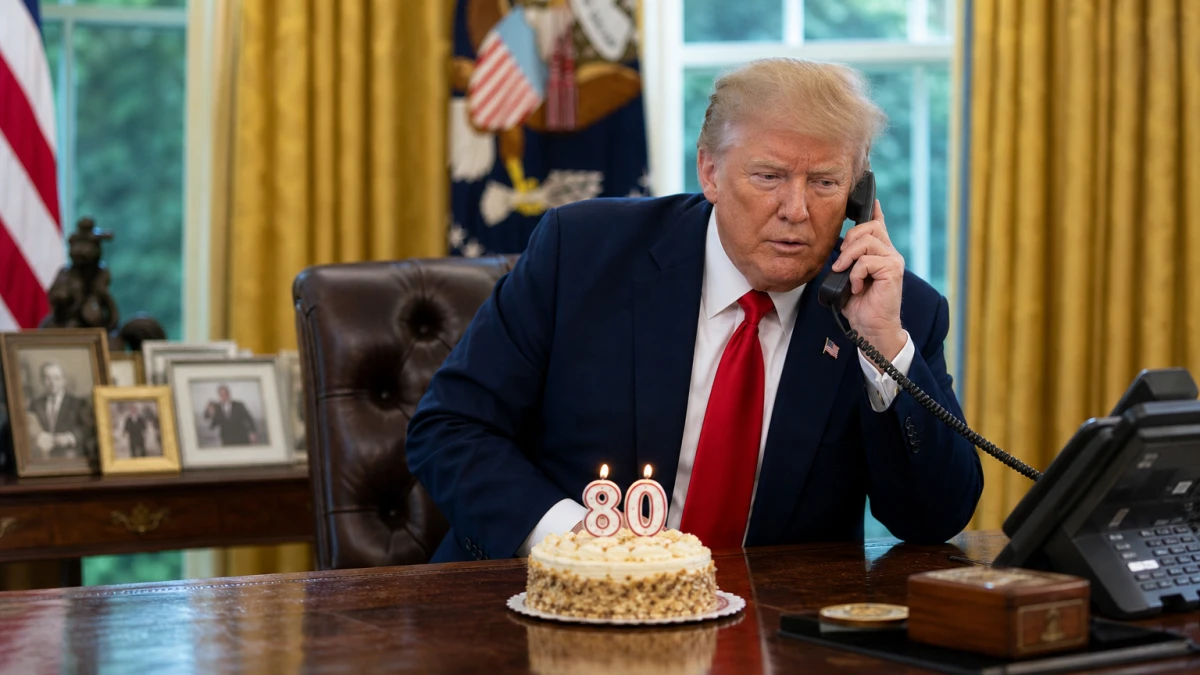
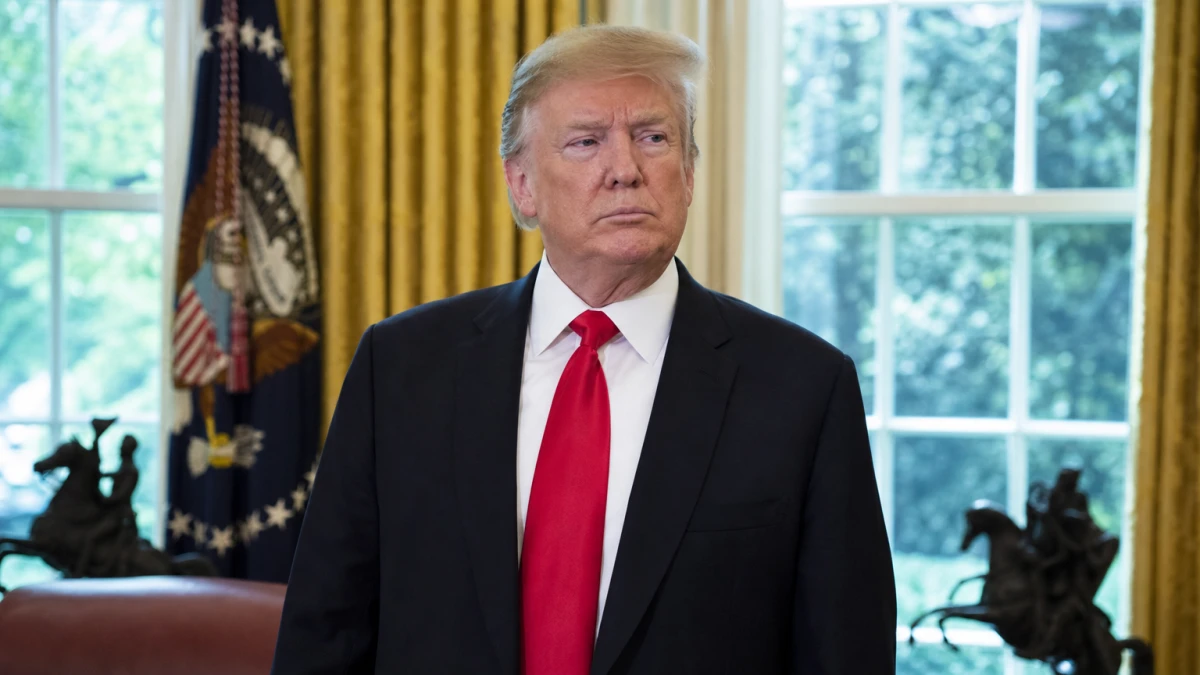
On June 10, 2026, President Donald Trump told reporters in the Oval Office that the United States had been quietly ferrying 'millions of barrels' of oil through the Strait of Hormuz for weeks, as CNBC first reported. Hours later, he posted on Truth Social that the mission had moved 'more than 100 MILLION Barrels of Oil' and 'more than 200 Commercial Ships.'
This wildly successful effort is because the UNITED STATES of AMERICA CONTROLS the Strait of Hormuz — NOT Iran. Their military is defeated, and their economy is lost.Donald Trump, President of the United States
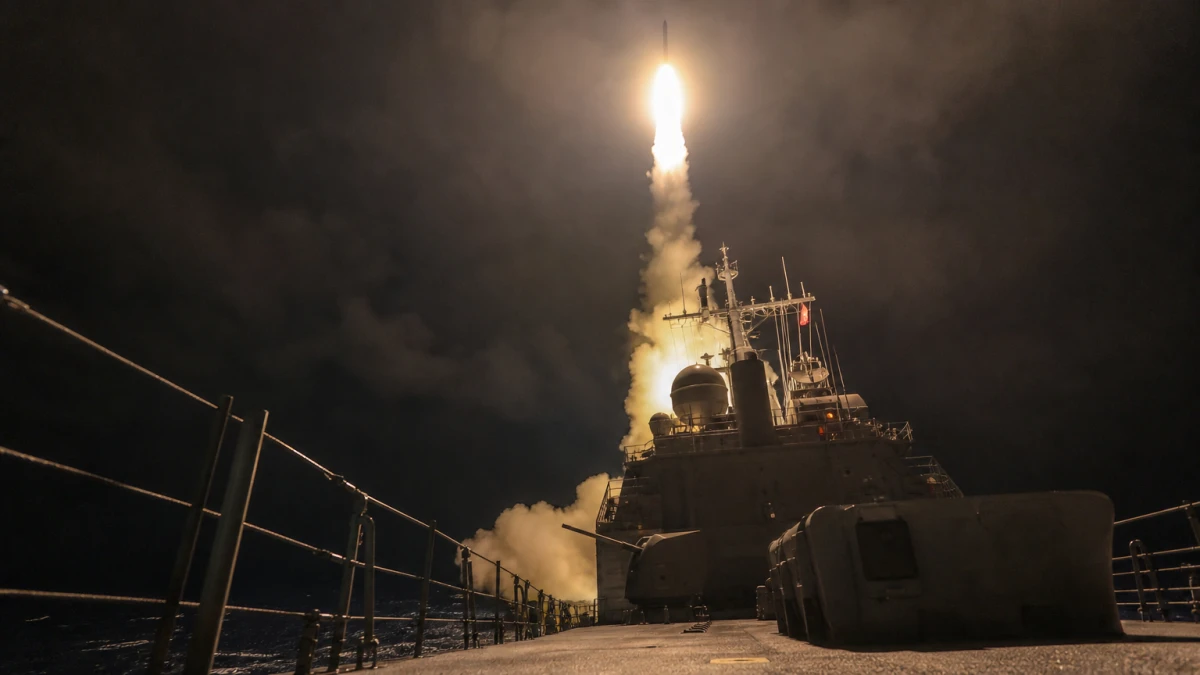
The Strait of Hormuz, a narrow 21-mile-wide waterway between Iran and Oman, normally carries about 20% of the world's oil and gas – roughly 20 million barrels per day. Since the U.S. and Israel launched airstrikes on Iran on February 28, 2026, the strait has been effectively shut down. Iran retaliated by mining large segments of the shipping lane and attacking passing vessels, causing the largest oil supply disruption in history. More than 1 billion barrels have already been lost.
200 Ships and 100 Million Barrels – Fact or Fiction?
Trump credited the alleged covert operation with keeping oil prices at around $90 per barrel instead of soaring above $200. ABC News could not immediately verify the accuracy of his claims, and The New York Times reported that the so-called secret mission had been widely disclosed beforehand – raising questions about its true secrecy.
Analysts at JPMorgan guessed that more oil might be escaping than publicly visible, estimating around 2 million barrels per day could be slipping out on tankers that switched off their transponders to avoid Iranian detection. That leak is far below the prewar flow of 20 million barrels per day.
Despite the ongoing naval blockade and the steep decline in commercial traffic, surprising volumes of crude and petroleum products still appear to be transiting the Strait.JPMorgan Analysts, Investment Bank Analysts
Oil Prices Hold Steady – But at What Cost?
Global oil prices have not exploded to the levels many feared, partly because of huge inventories built up before the war and demand destruction in key markets. Yet Helima Croft, global head of commodity strategy at RBC Capital Markets, told CNBC that ship traffic through Hormuz remains 'well below prewar levels' and the world is still losing significant volumes every day – an estimated 1.5 billion barrels by June 2026.
Secretary of State Marco Rubio offered a more cautious assessment during a Senate Foreign Relations Committee hearing earlier this month. He confirmed Iran had mined 'large segments' of the Strait of Hormuz and that U.S. forces are not escorting vessels through the strait. He laid out a tepid rules-of-engagement posture for any U.S. response to Iranian aggression.
If they don't shoot at those ships, we don't shoot but we have to respond.Marco Rubio, U.S. Secretary of State
A Political Fight Over the World's Most Critical Oil Chokepoint
Trump's assertion that the U.S. 'controls' the Strait of Hormuz clashes with the reality on the ground. The administration's earlier attempt to escort stranded tankers, Project Freedom, was abruptly halted in May, and Washington has since struggled to persuade other nations to join a maritime security force. As jux.net has extensively covered, the Iran war has reshaped global energy markets and left the strait's future deeply uncertain.
The contradiction between the presidential narrative and expert analysis underscores a high-stakes political gamble. With midterms approaching, Trump is betting that voters will credit him for keeping gasoline prices in check. But if the blockade tightens further or crude prices spike, the 'secret mission' could quickly become a political liability.
For now, the Strait of Hormuz remains a dangerous and unpredictable chokepoint. Even if a ceasefire were to take hold, experts warn it would take months to restore prewar traffic levels. Much of this crisis is still being written – and much of it is happening in the dark.