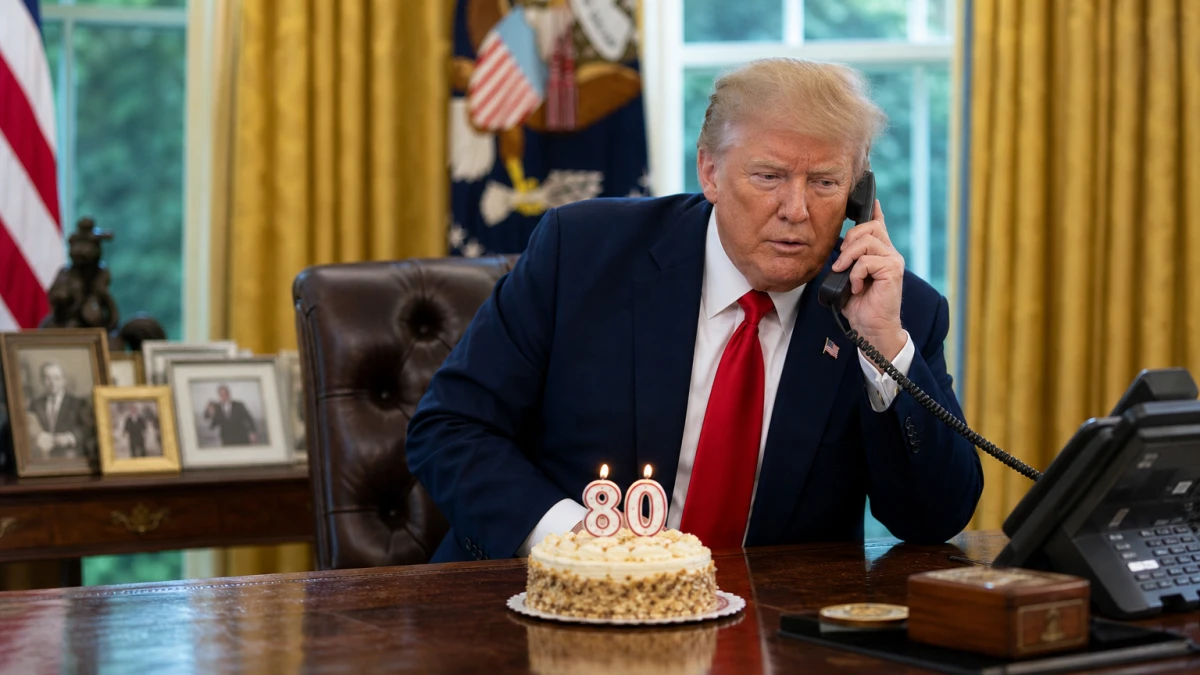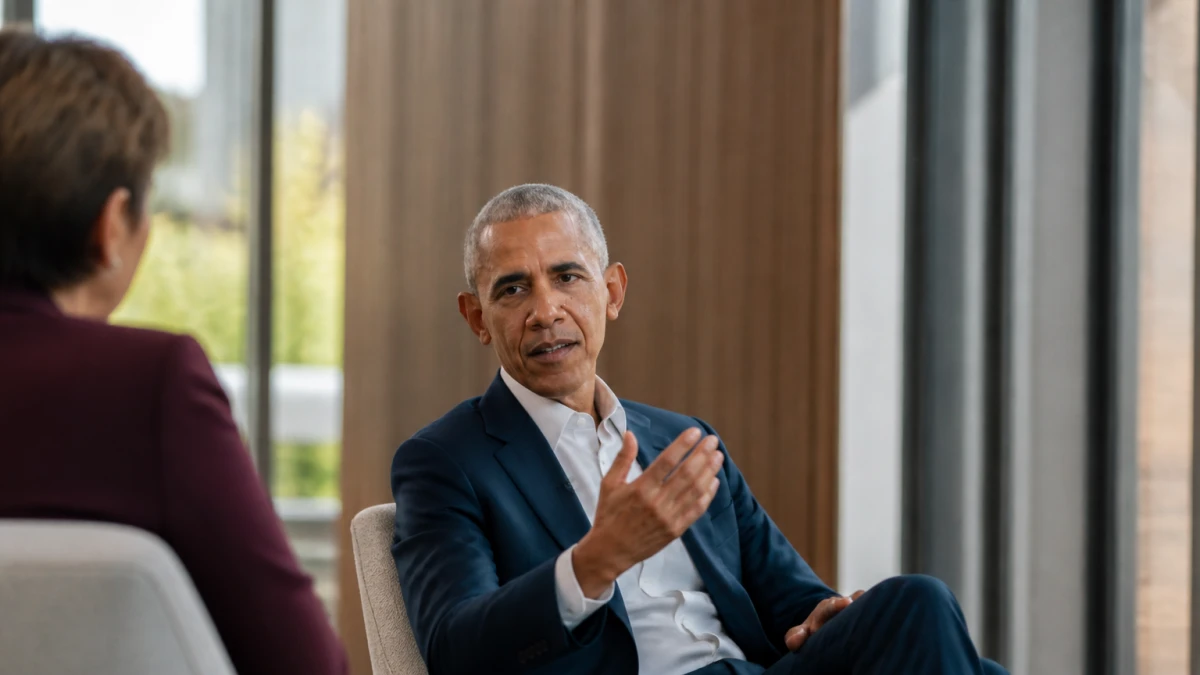
24 hours before President Trump declared a new Iran deal "complete" on his 80th birthday, Barack Obama sat down for an exclusive interview at the Obama Presidential Center in Chicago and delivered a blunt prediction: whatever agreement emerges, it will not be a meaningful upgrade from the 2015 nuclear accord that Trump abandoned eight years ago.
Speaking with ABC's Robin Roberts on June 13, 2026, the former president outlined why he remains deeply skeptical — and warned against the foreign policy instincts that he says led the U.S. into a costly four-month war. The full interview airs Wednesday on Good Morning America, but excerpts already define the sharp contrast between the 44th and 47th presidents on how to handle Tehran.
Deal or Ceasefire?
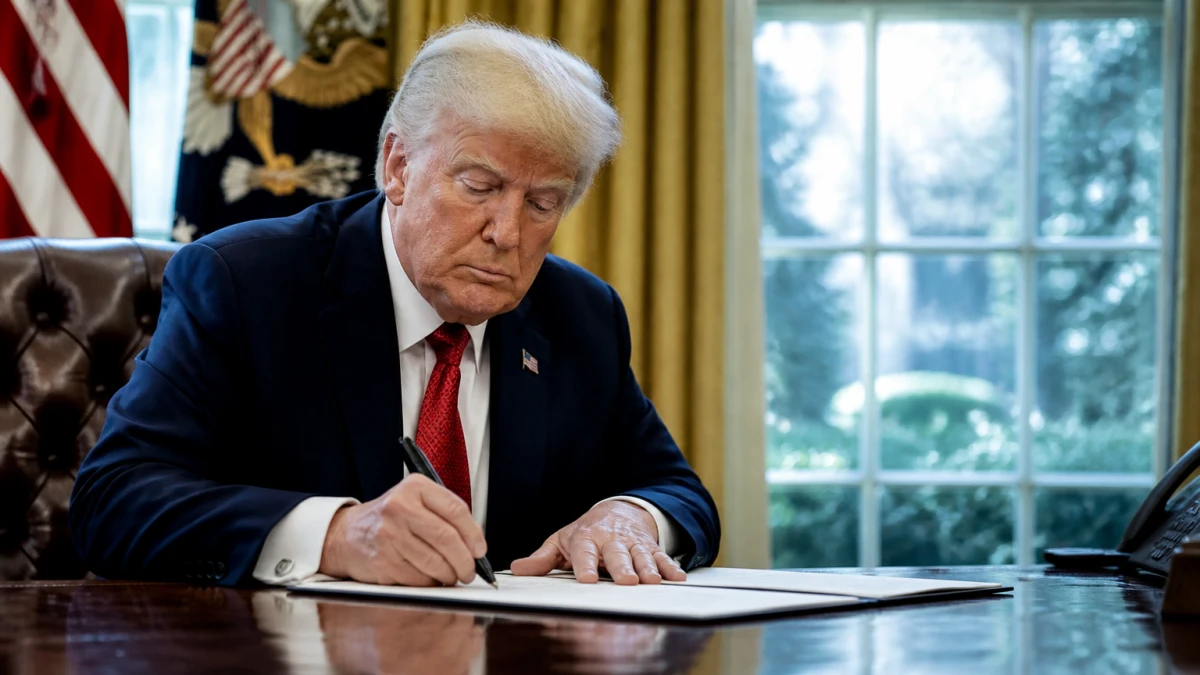
Trump announced on Sunday evening via Truth Social that "the Deal with the Islamic Republic of Iran is now complete" and that the Strait of Hormuz — blockaded by the U.S. Navy since February — would reopen. However, officials familiar with the framework describe it as a 60-day ceasefire, with a formal signing expected in Switzerland on Friday, June 19, according to Reuters.
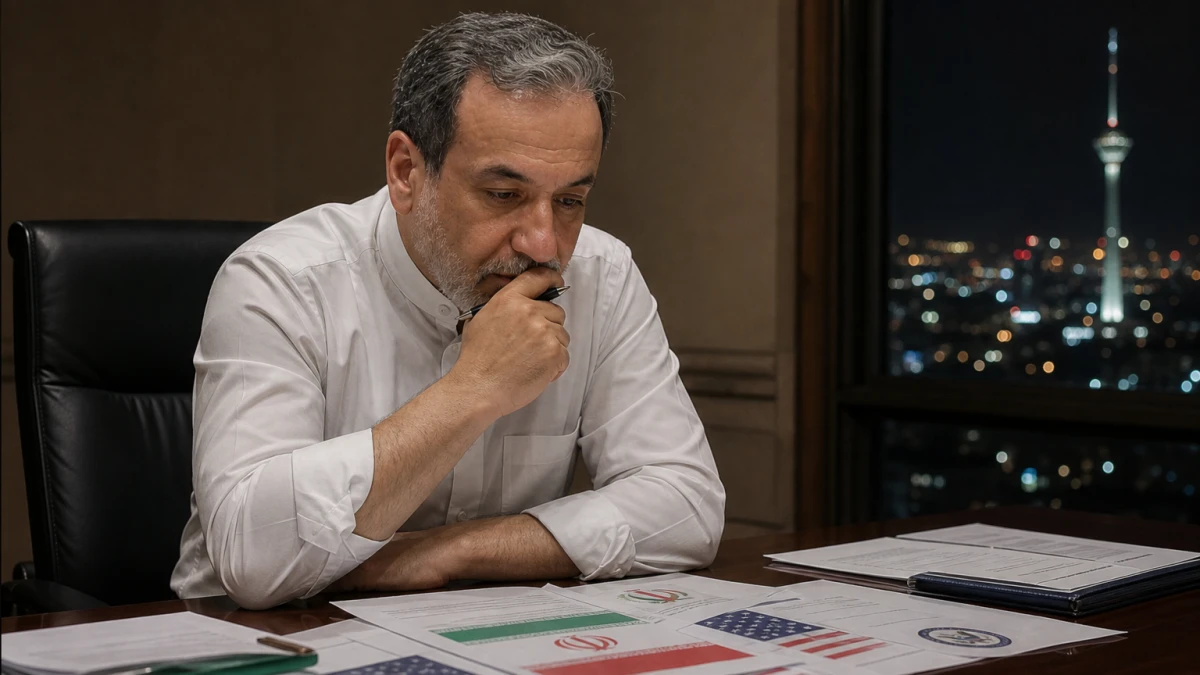
Senior administration officials told reporters the deal would lead to "the dismantling" of Iran's nuclear program and the transfer of Iran's highly enriched uranium stockpile — though subsequent reports indicate Tehran will dilute rather than hand over its uranium, according to The New York Times via The Times of Israel.
"We Can't Bully Our Way to Solutions"
It is doubtful that any agreement that arises is going to be significantly different or a significant improvement from the deal that we had in the first place and had worked for, for a long stretch of time before we, the United States, pulled out of it.Barack Obama, Former U.S. President
Obama's reference is the Joint Comprehensive Plan of Action (JCPOA), the multinational nuclear deal his administration brokered in 2015. That agreement limited Iran's uranium enrichment to 3.67 percent, capped centrifuges, and imposed international inspections — in exchange for sanctions relief. Trump unilaterally withdrew the U.S. from the deal in May 2018, calling it "the worst deal ever."
Over the following eight years, tensions escalated into open war. On February 28, 2026, Trump announced "major combat operations" — joint U.S.-Israeli strikes on Iran — launching a conflict that has killed thousands and displaced many more across the region.
The notion that we can just bully our way or bomb our way to solutions may sometimes seem appealing, but the fact of the matter is that taking the time to explore diplomacy and exhaust the possibilities of coming up with deals that don't solve 100% of the problem but solve 80%, 90% of the problem while avoiding the necessity of going to war.Barack Obama, Former U.S. President
He added a pointed coda: "You'd think we would've learned that lesson by now, but it seems like every so often we have to relearn that lesson again."
War's Toll and an Uncertain Peace
Obama expressed his primary hope in starkly human terms: "I'm hopeful that bombing stops and ordinary people are no longer suffering as a consequence of the war." The months of U.S. naval blockade have crippled Iran's oil exports and triggered severe shortages of food and medicine inside the country, while Israeli airstrikes targeted Iran-linked sites in Lebanon and beyond.
The ceasefire framework now shifts attention to Friday's signing ceremony in Switzerland. Whether the temporary pause becomes a durable peace — and whether the deal's nuclear provisions actually diverge from the JCPOA — remains the point on which Obama has already cast his bet.
The White House has not directly responded to Obama's remarks. The ABC interview — conducted at the Obama Presidential Center with both Barack and Michelle Obama — was scheduled ahead of the center's official opening and will air in full on June 17.