Deal Signed After 100 Days of War
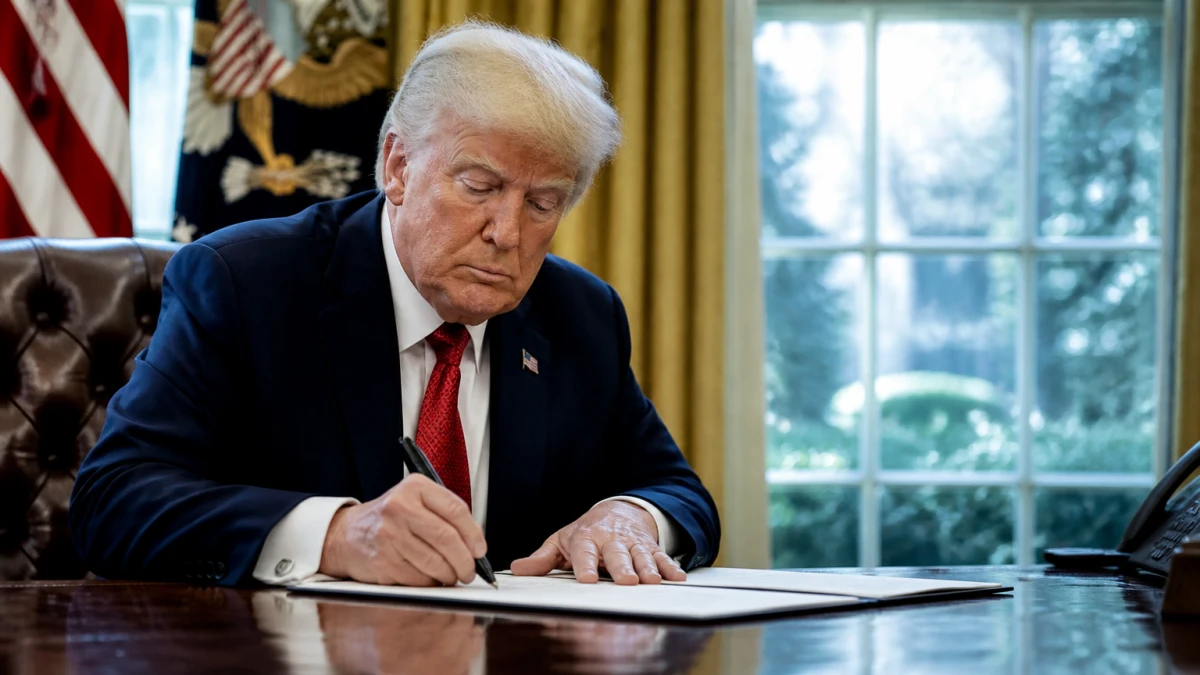
The United States and Iran have signed a memorandum of understanding to end more than three months of conflict and reopen the Strait of Hormuz — the narrow waterway through which 20% of the world's oil and natural gas passes. The deal was announced on June 14, 2026, and signed electronically by President Donald Trump, Vice President JD Vance, and Iranian Parliament Speaker Mohammad Bagher Ghalibaf, with a formal ceremony set for June 19 in Geneva.
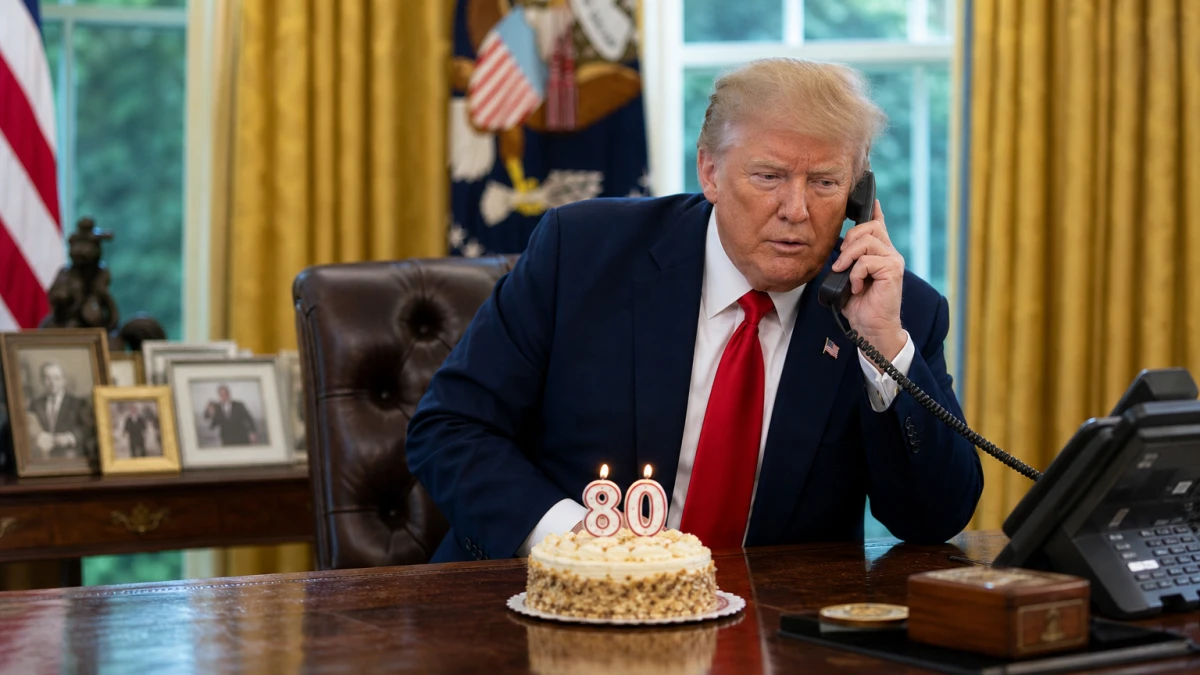
Pakistani Prime Minister Shehbaz Sharif mediated the agreement, with Qatari diplomats holding nearly 15 hours of last-minute talks in Tehran to finalize the text. Trump announced on Truth Social: "The Deal with the Islamic Republic of Iran is now complete."
Ships of the World, start your engines. Let the oil flow!Donald Trump, US-Präsident
Strait Reopens, Oil Prices Drop
Trump authorized the "toll-free opening" of the Strait of Hormuz and ordered the immediate removal of the U.S. naval blockade on Iranian ports. Brent crude prices fell more than 3% toward $84 per barrel on the news, with West Texas Intermediate near $81. The reopening eases immediate global supply fears that had rattled energy markets since the war began on February 28, 2026.
The conflict erupted when U.S. and Israeli strikes killed Iran's supreme leader. A fragile ceasefire had been in place since April 8, but intermittent clashes — including an Israeli attack on southern Beirut just before the deal — nearly derailed diplomacy. Three Iranian officials said Tehran called off a planned retaliatory strike on Israel after Trump urged restraint.
60-Day Window for Nuclear Talks
The memorandum extends the ceasefire for 60 days, during which the two sides will negotiate a permanent agreement. Key issues include Iran's nuclear program, sanctions relief, and the unfreezing of Iranian assets. Vice President Vance stated that "Iran never possessing a nuclear weapon was built into this agreement."
Iran never possessing a nuclear weapon was built into this agreement.JD Vance, US-Vizepräsident
Neither side has released the full text of the memorandum. Iran's Deputy Foreign Minister Kazem Gharibabadi said the document will be published after the official signing in Geneva. Both sides claim victory, but deep mistrust remains — the deal does not yet resolve the technical and verification questions around Iran's uranium enrichment.
Israel Rejects the Deal
Israeli officials reacted with alarm. Defense Minister Israel Katz rejected any withdrawal from occupied Lebanese territory, and National Security Minister Itamar Ben Gvir made the country's position bluntly clear.
Trump's agreement does not bind us.Itamar Ben Gvir, Israelischer Minister für nationale Sicherheit
Opposition figure Yair Golan added that "the deal had been made over Israel's head." Prime Minister Benjamin Netanyahu reportedly convened his security cabinet on Sunday evening to discuss the agreement. Israel played no direct role in the negotiations.
What Comes Next
The formal signing ceremony in Geneva on June 19 will be followed by technical-level talks. The deal includes a commitment to end military operations on all fronts, including in Lebanon, where Israel and the Iran-backed Hezbollah have been fighting. But Israel's refusal to accept the terms on Lebanon introduces a volatile variable into an already fragile equation.
Trump warned that if the peace deal fails, "we have the ultimate alternative, hopefully never to be used again" — a reference to the 2025 U.S. bombing of Iranian nuclear sites. For now, the world watches as the Strait of Hormuz reopens and oil begins to flow again, while the real test of whether this peace can hold begins.