Rice blasts 'surrender document'
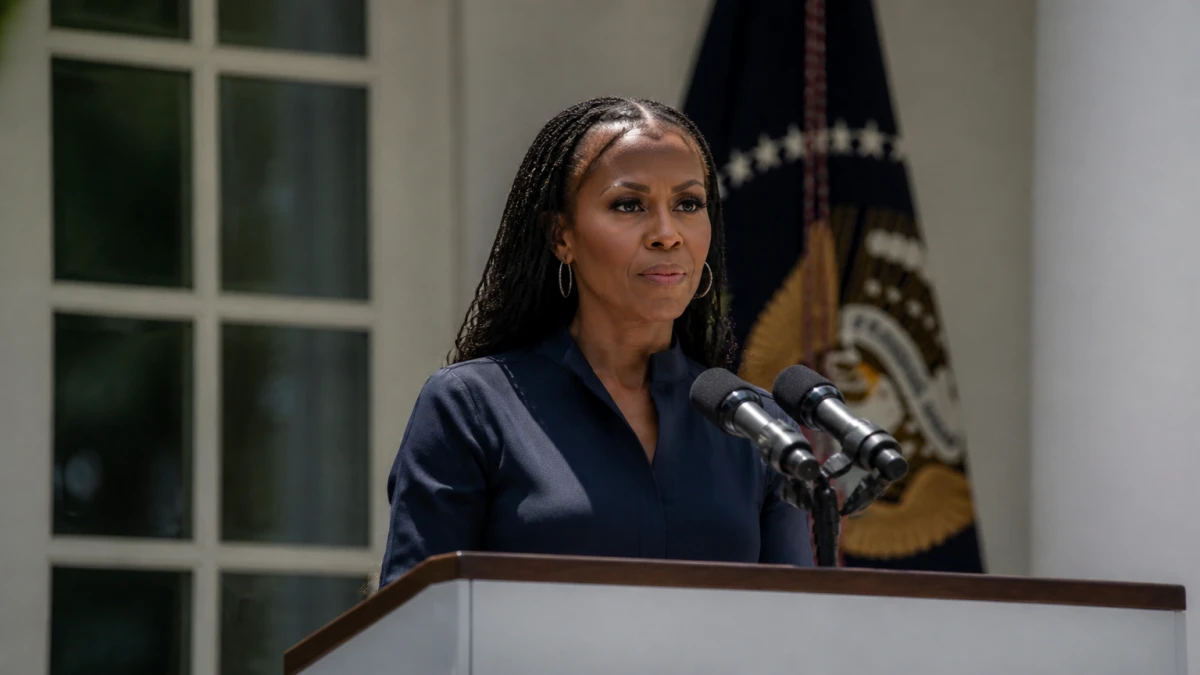
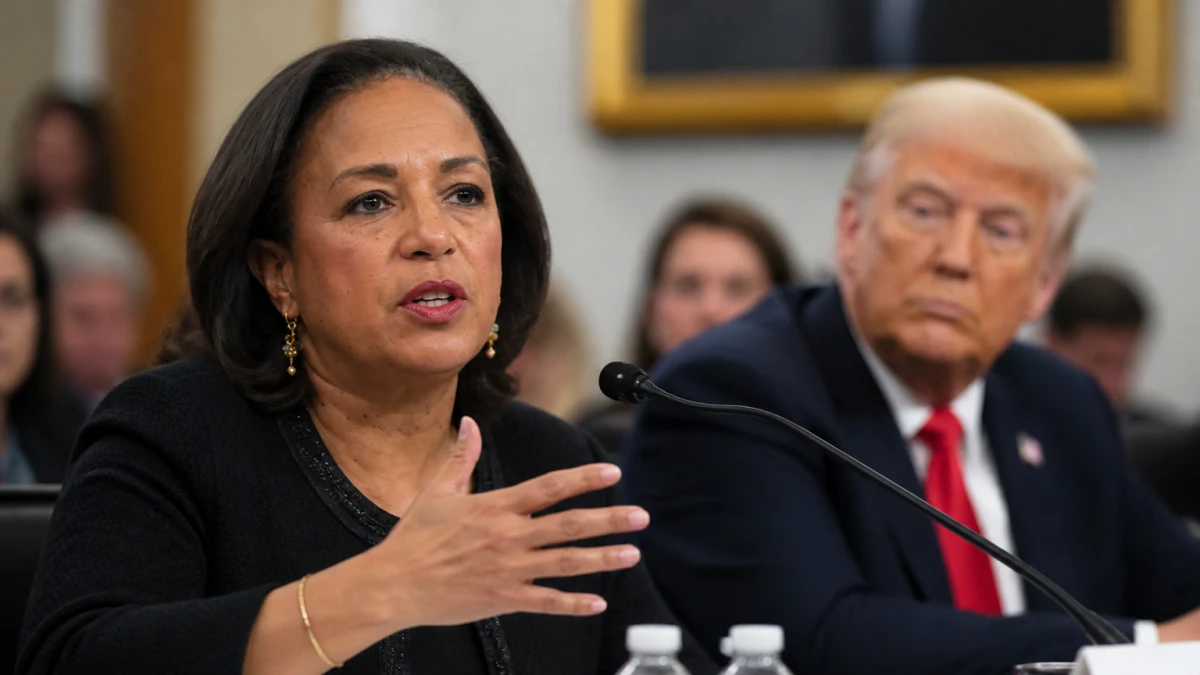
Former National Security Adviser Susan Rice on Wednesday denounced the preliminary nuclear agreement between the Trump administration and Iran as a "jaw-dropping, horrific surrender document," igniting a growing bipartisan backlash against the deal that followed months of war. Rice, who served under President Barack Obama and helped negotiate the 2015 nuclear accord, called the new memorandum of understanding "the biggest national security blunder in decades."
In an exclusive interview with ABC News on June 21, Rice detailed her objections, saying the "flimsy, two-page memorandum of understanding" grants Iran concessions normally reserved for a comprehensive final deal. Central to her criticism is a $300 billion reconstruction fund for Iran, which she labels "reparations." The Hill reported that Rice sees the outcome as "the predictable result of incompetent negotiation" after a "foolhardy strategic catastrophe."
This is a jaw-dropping, horrific surrender document complete with hundreds of billions in reparations.Susan Rice
Rice contrasted the Trump deal with the 2015 Joint Comprehensive Plan of Action (JCPOA), which she helped craft. Under that agreement, Iran agreed to a 15-year uranium enrichment limit, dismantled two-thirds of its centrifuges, gave up 98 percent of its uranium stockpile, and accepted international inspections. The current MOU, by contrast, contains only a vague reaffirmation that Iran "shall not procure or develop nuclear weapons," while deferring key issues like enrichment levels and the disposal of highly enriched uranium to future talks.
Bipartisan fury on Capitol Hill
Rice's criticism has been echoed by prominent Republicans. Senator Ted Cruz (R-Texas) declared, "It is not remotely in America’s interest for us to pay to rebuild that capacity that we just took out." Senator Bill Cassidy (R-La.) called the deal a "tremendous foreign policy blunder." The top Republican on the Senate Armed Services Committee, Roger Wicker, issued a scathing statement arguing that the U.S. had "negotiated away" its military gains, while Senator John Cornyn worried Iran would use the reconstruction money to "replace its missile arsenals and start enriching again."
It is not remotely in America’s interest for us to pay to rebuild that capacity that we just took out.Ted Cruz
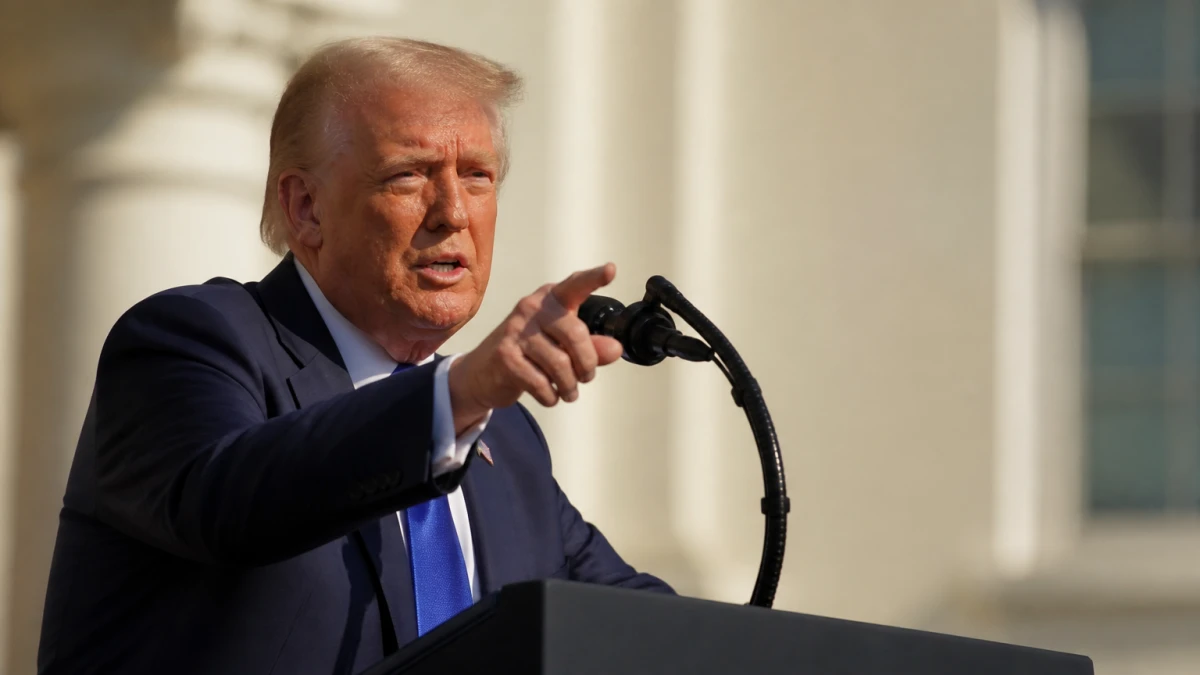
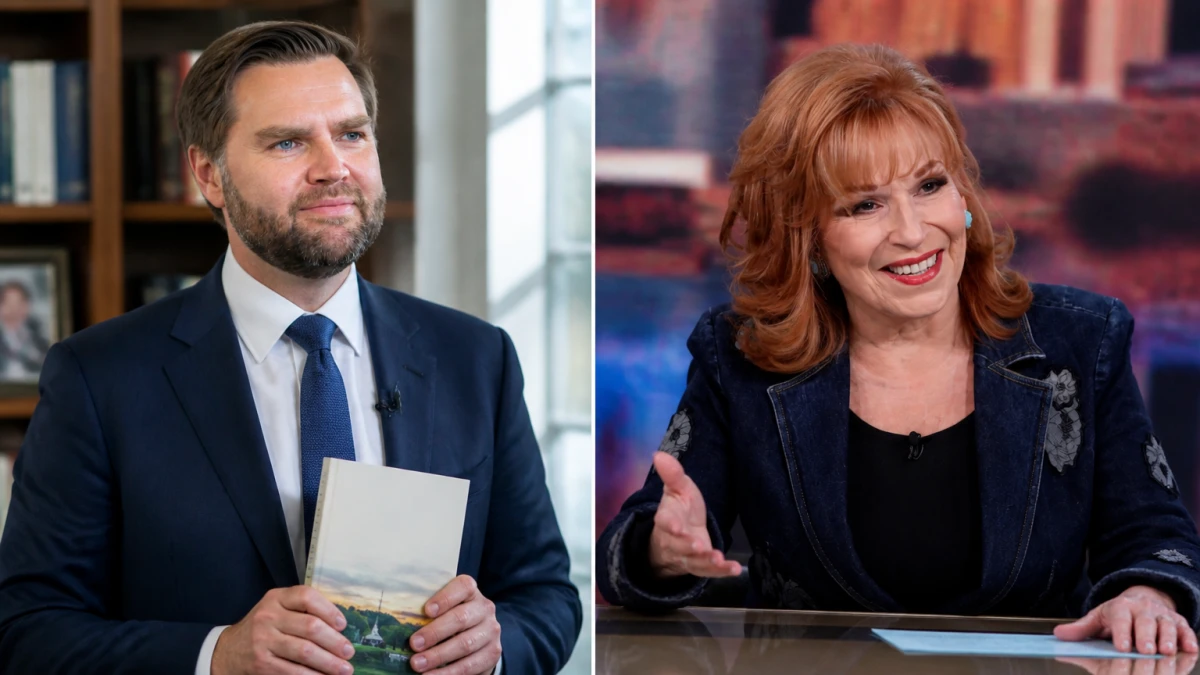
Several Republican senators avoided direct criticism of President Trump, instead blaming "unnamed intermediaries" and "very bad advice." The implicit target, according to sources, is Vice President JD Vance, who reportedly helped broker the deal. Trump himself joked on June 18: "If it works, I take the credit. If it doesn’t, I’ll blame JD." Cornyn responded to reporters: "That was no joke."
Administration defends the deal
Defense Secretary Pete Hegseth pushed back at a NATO meeting in Brussels, insisting the new agreement was achieved "after months of bombing and an ironclad blockade"—not through "begging and talking" like the JCPOA. "Iran cannot have a nuclear weapon. Period. No nuke," Hegseth said, warning that military action could resume if Tehran violates the terms. Direct talks between the two sides began on June 21 in Switzerland, led by Vice President Vance.
The deal’s fate remains uncertain, with hardliners in Iran already threatening retaliation. Rice and other critics warn that the vague commitments and massive financial transfers could leave Iran with both the money and capability to eventually build a bomb, setting the stage for renewed confrontation.